

Why You Should Avoid Maida If You Have Diabetes?



Each article on the fitterfly website is a labor of love, reviewed by a team of certified medical experts specializing in various fields like Diabetology, Nutrition, Physiotherapy, Psychology.
They carefully examine all references and facts to provide up-to-date and reliable information, aiming to break myths and empower you in your health journey.
Meet Our Reviewing Team


Shilpa Joshi
Shilpa Joshi is one of India’s leading dietitian and diabetes educator. At her clinic, she uses principles of Medical Nutrition Therapy (MNT) for preventive and therapeutic care of various health issues.
Read more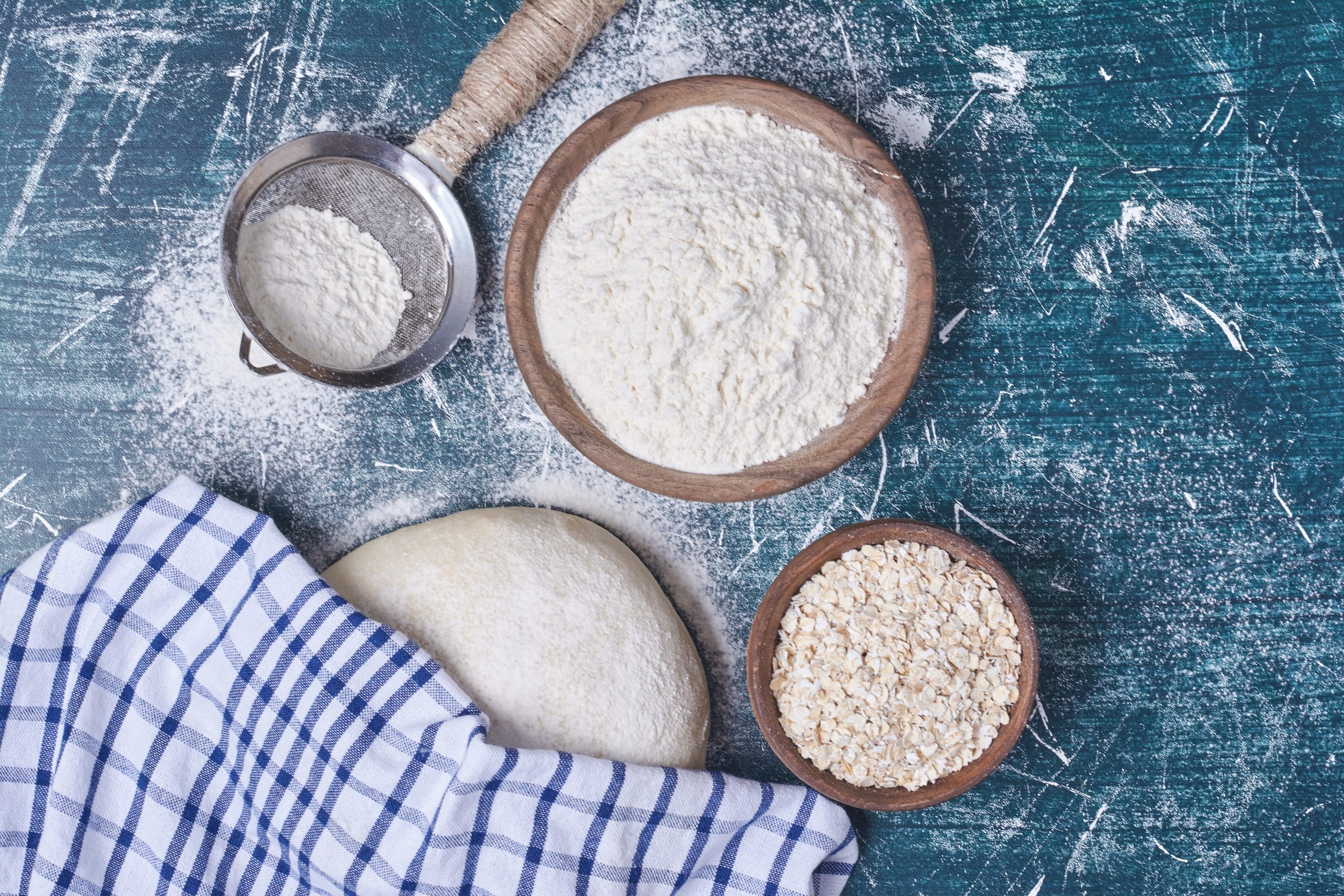
Maida is also known as refined wheat flour, is a staple ingredient in many kitchens. It is used mostly for its soft texture and adaptability. But the question is: “Is Maida Good for Diabetes?” or “Is Maida Good for Health?” In this blog, we will explore why you should avoid maida if you have diabetes.
So, Is Maida Good for Diabetes?
The answer is NO because maida is made by refining wheat grains. In this process, the layers of bran and germ are removed, just leaving behind mostly starch. This gives maida a soft texture, making it ideal for samosas, puris, pastries, breads, and cakes. Its versatility and light, airy texture make it widely used in both traditional and modern recipes.
What is the Glycemic Index Of Maida?
For people with diabetes, maida can pose challenges. Being highly refined, maida has a glycemic index of 70-85, which can cause a rapid spike in blood sugar after consumption.
Excessive intake may lead to poor blood sugar control, increased insulin demand, weight gain, and a higher risk of complications associated with diabetes.
| A Point to Remember: Always check labels on packaged foods; maida is often disguised as “refined wheat flour,” “white flour,” or “all-purpose flour.” |
What are the Healthier Alternatives to Maida?
- Whole wheat flour (atta): Higher in fibre and slower to digest, reducing blood sugar spikes.
- Oat flour: Rich in soluble fibre, beneficial for heart and blood sugar health.
- Almond flour: Low in carbohydrates and high in healthy fats, helping to manage glycemic response.
- Millet flours (jowar, bajra): Nutrient-dense and low-GI options suitable for diabetic-friendly recipes.
- Chickpea flour (besan): It is high in protein and fibre, which helps you stay full for longer, supports better blood sugar control, and has the lowest glycemic index among the flours mentioned above.
Why You Should Avoid Maida If You Have Diabetes?
Maida is digested very quickly because it lacks fibre, protein, and healthy fats. This rapid digestion releases glucose into the bloodstream almost instantly, causing sharp spikes in blood sugar. Over time, this can make it harder for the body to respond to insulin efficiently.
How Often Can You Eat Maida?
For diabetes, occasional use of small amounts is acceptable, but daily use is not recommended. Pairing maida foods with protein or fibre (such as dal, vegetables, or curd) may slightly reduce sugar spikes, but it does not make them healthy.
Summary:
Maida is not ideal for people with diabetes due to its high glycemic index and minimal fibre content. Occasional indulgence might be okay, but regular consumption can disrupt blood sugar control. Opting for whole-grain or low-GI flour alternatives can help enjoy baked goods and traditional dishes without compromising diabetes management.
How Can Fitterfly Help You?
Maida… we all know that it is a bad choice for someone living with diabetes. However, for those who enjoy snacks made with maida, there is always a healthier alternative. You can easily switch to low-GI flours and enjoy similar recipes in moderation, helping you satisfy cravings without sudden spikes in blood sugar.
At Fitterfly, we believe in smart swaps rather than strict restrictions. Our focus is on helping people better understand their food, choose healthier alternatives, and enjoy their favourite dishes in a diabetes-friendly way. With the right flour choices and mindful portion sizes, you can still relish your favourite snacks while keeping your blood sugar in control.


You are not alone on this journey. With Fitterfly, you have a whole team supporting your health, step by step.
Call us at 08068507599 and let us create a plan that truly works for you!
This blog provides general information for educational and informational purposes only and shouldn't be seen as professional advice.
Frequently Asked Questions
Does maida increase blood sugar levels?
The answer is yes: maida, a refined flour, has a high glycemic index; it breaks down quickly into glucose and can spike blood sugar levels soon after eating. Therefore, for individuals with diabetes, consuming maida frequently or in large amounts is not recommended.
Why is Maida harmful for diabetes?
Maida is refined flour with very little fibre, making it easy to digest and causing rapid spikes in blood sugar after consumption.
Can a person with diabetes eat maida occasionally?
It depends on how well their blood sugar is controlled. If HbA1c is high, they should avoid maida entirely.
What foods made of maida should a person with diabetes avoid?
Bread, puris, naans, bhature, samosa, cakes, pastries, biscuits, noodles, pasta, which are made of maida.
Does maida cause long-term problems for a person with diabetes?
Frequent intake can lead to poor glucose control, weight gain, and increased risk of diabetes-related complications.