


Should You Avoid Custard If You Have Diabetes?



Each article on the fitterfly website is a labor of love, reviewed by a team of certified medical experts specializing in various fields like Diabetology, Nutrition, Physiotherapy, Psychology.
They carefully examine all references and facts to provide up-to-date and reliable information, aiming to break myths and empower you in your health journey.
Meet Our Reviewing Team


Shilpa Joshi
Shilpa Joshi is one of India’s leading dietitian and diabetes educator. At her clinic, she uses principles of Medical Nutrition Therapy (MNT) for preventive and therapeutic care of various health issues.
Read more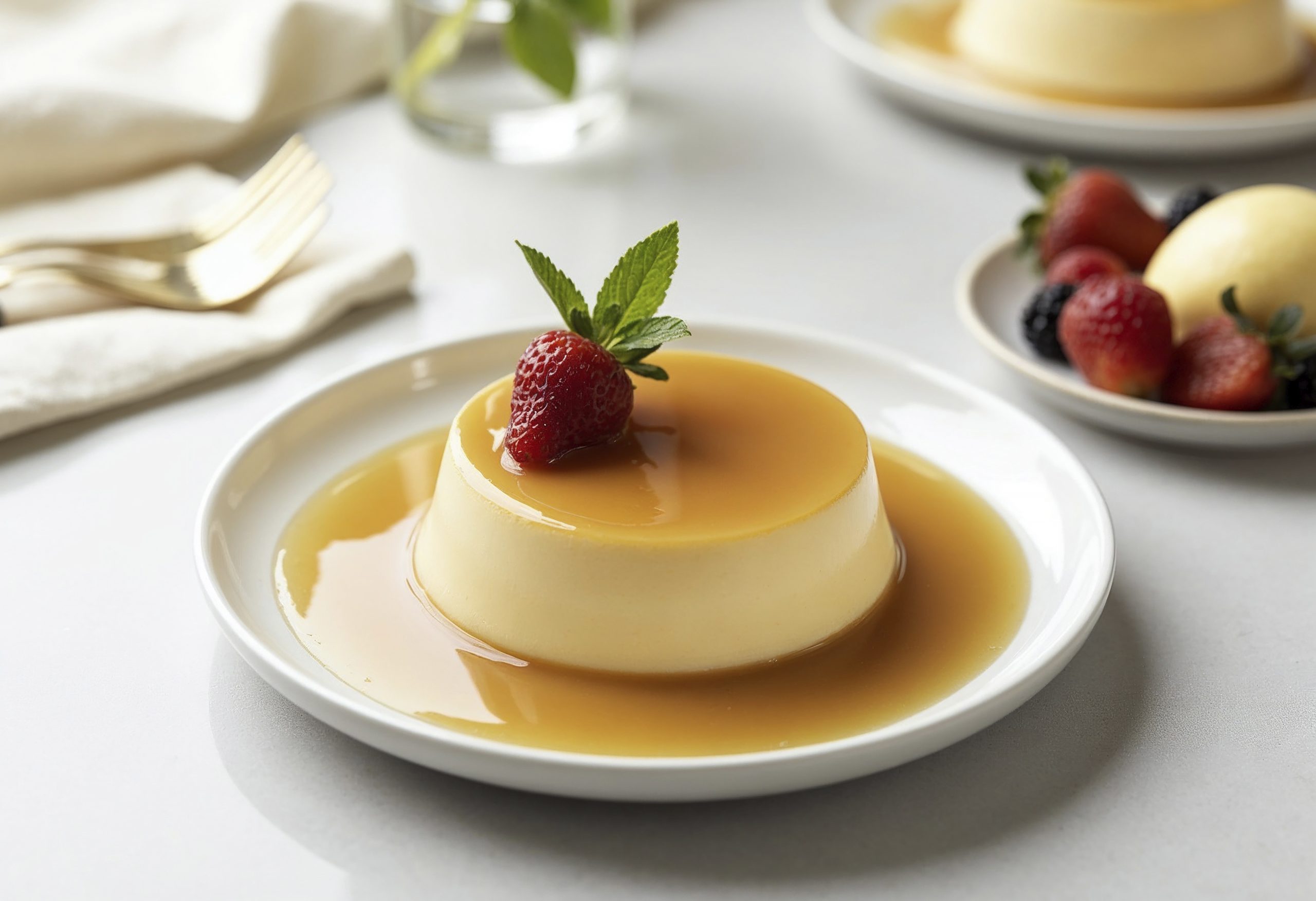
Custard is a popular dessert in many Indian homes, smooth, creamy, and easy to whip up in minutes. But when you are managing diabetes, even simple treats can feel confusing. So the question is: should you avoid custard if you have diabetes? The answer depends entirely on how it is prepared and what ingredients go into it, because custard itself can range from a light, milk-based dessert to a sugary indulgence that spikes blood sugar levels.
Let us take a quick look at what is inside the custard and whether it is safe for people with diabetes.
To clear the confusion, Fitterfly steps in, helping you cut through the confusion with clear answers, practical guidance, and diabetes-friendly choices that fit your everyday life.
Click on the banner below.


Custard: An Indulgence, Not a Diabetes-Friendly Choice.
Our Expert Nutritionist, Shilpa Joshi, explains that custard is not inherently a healthy food; for example, a laddu made with less sugar still isn’t suitable for a person with diabetes. Reducing sugar or tweaking ingredients does not change the fact that these foods remain desserts, which are naturally high in calories and carbohydrates.
She also explained that asking whether custard is “safe” for diabetes can be paradoxical, because desserts, by nature, including custard made with custard powder, are intended to be occasional treats, not part of a daily diet.
For this reason, eating custard is not ideal for people who are trying to manage their blood glucose levels.
What is Custard?
Traditional custard is a dessert made with milk, eggs, and sugar, with optional flavours such as vanilla or fruit essences. When heated, the eggs thicken the mixture, creating a smooth, creamy pudding-like texture. Since it contains eggs, it is not vegetarian.
Unlike traditional custard, modern custard is made using custard powder (cornflour + flavouring) instead of eggs.
It can be eaten on its own, warm or chilled, or paired with fresh fruits for extra flavour and nutrition. It also serves as a creamy topping for cakes, pastries, and puddings, can be baked into desserts such as caramel custard, and can serve as a base for many desserts.
Additionally, custard is often used as a layer in parfaits and other multi-layered desserts, adding smoothness and richness.
What are the Types of Custard?
Thin/Pouring Custard – Light and runny
Thick Custard – Semi-set and spoonable
Baked Custard – Firm, like caramel custard
Custard Powder Custard – Made using custard powder (cornflour + flavouring) instead of eggs.
What is the Glycemic Index of Custard?
The glycemic index (GI) of custard varies with the recipe and method of preparation. Custard powder is primarily starch, but the final glycemic response is influenced by the type of milk used, the quantity of sugar added, and how much you consume.
Preparing custard with low-fat milk and minimal sugar helps keep the glycemic load lower and makes it more suitable for diabetes.
If you add extra sugar or consume large portions, the glycemic load increases significantly.
What is the Nutritional Profile of Custard?
The nutritional profile of custard varies with the type of milk, the amount of sugar, and the custard powder (thickener) used.
After comparing the nutritional values of various custard powder brands available on the market, we observed that most of them have nearly identical nutritional profiles.
Surprisingly, some brands do not provide any nutritional information on their packaging.
The nutritional profile of custard powder per 100 g (values may vary slightly by flavour and composition) is approximately:
| Nutrient | Amount |
| Energy | 360 k cal |
| Carbohydrate | 84 – 88 g |
| Protein | 1.5 – 1.9 g |
| Fat | 0 – 1.5 g |
To prepare custard, generally 20g custard powder, 500 ml of milk and 50 g of sugar are used( this varies depending on personal preference)
The calories and carbohydrates increase further when milk and sugar are added. Most of the energy comes from milk and sugar, not the custard powder itself.
This makes prepared custard an occasional treat, especially for people managing blood sugar levels.
Like most packaged foods, custard powder also contains several additives and flavouring agents, which aren’t ideal, not just for someone with diabetes, but for anyone. That’s why custard should be enjoyed only once in a while, and not as an everyday dessert.
Comparison Table: Regular Custard vs Diabetes-Friendly Custard
| Feature | Regular custard | Diabetes-Friendly custard |
| Sweetener | White sugar | Stevia |
| Milk Type | Full-fat milk | Low-fat |
| Glycemic Load | High | Low to moderate |
| Fruit Add-ons | Banana, mango | Berries, apples |
| Portion Size | 1 cup | Half cup |
What are the Risks of Eating Custard for People With Diabetes?
Here are the main risks of eating custard for someone with diabetes, explained clearly and simply:
High Sugar Content: Most custards, especially those made with ready-made, instant, or bakery-style ingredients, contain added sugar, which can quickly spike blood glucose levels.
Made With High-GI Ingredients: Custard powder itself is mostly refined starch (high glycemic index). When prepared with sugar and regular milk, the total GI load increases, thereby raising the risk of blood sugar spikes.
Large Portions-Higher Blood Glucose: Custard is smooth and easy to eat, which makes it easy to overconsume without realising it.
Full-Fat Milk Can Add Calories: When prepared with full-cream milk, it increases the calorie and fat content, which may lead to weight gain, and it is a risk factor for poor glycemic control in diabetes.
Lacks Nutritional Value: Custard is mainly composed of carbohydrates and sugar, with very little fibre or protein.
As a result, it gets digested quickly and causes a rise in blood sugar levels. It also doesn’t keep you full for long, which may make you feel hungry sooner.
Risk of Frequent Cravings: Sweet, smooth desserts can increase cravings, making blood glucose management more difficult.
📖 Also Read: Fitterfly–From Sweet to Smart: The Guide to Sugar Substitutes for Diabetes
Final Thoughts:
Custard is a comforting dessert, but when you are managing diabetes, it needs to be enjoyed with caution. Custard powder, on its own, may not seem harmful.
The overall recipe of custard includes milk, sugar, and portion size, which determines its impact on your blood glucose levels. Even with modifications such as low-fat milk or stevia, custard remains an occasional indulgence, not a diabetes-friendly everyday choice.
Above all, be mindful of how your body responds. With awareness, moderation, and the proper guidance, you can also continue to enjoy foods without compromising your health goals.
How Fitterfly Can Help You?
Managing diabetes is not about avoiding certain foods; it is about understanding your body, your choices, and how everyday habits affect your blood glucose. That’s exactly where Fitterfly steps in.
At Fitterfly, we combine expert nutrition guidance, personalised meal planning, and smart technology to help you make better choices without giving up the foods you love.
Whether it is figuring out how custard affects your glucose levels, choosing safer alternatives, or learning portion control, our coaches and tools ensure you are never confused or overwhelmed.
With real-time insights, personalised recommendations, and one-on-one support, Fitterfly helps you:
- Understand how different foods impact your blood sugar.
- Make diabetes-friendly food swaps without feeling restricted.
- Build healthier habits that fit your lifestyle and preferences.
- Track your glucose levels and patterns effectively.
- Enjoy your meals with confidence and clarity.
With the proper guidance, diabetes management becomes simpler, sustainable, and stress-free.
You don’t have to do it alone. Fitterfly is with you every step of the way.
This blog provides general information for educational and informational purposes only and shouldn't be seen as professional advice.
Frequently Asked Questions
Is custard powder sugar-free?
Yes, custard powder contains no sugar, but you can’t eat it alone, so once you add milk and sugar to make custard, the sugar content rises. You can make it diabetes-friendly by using stevia or other safe sugar substitutes.
How much custard is safe for someone with diabetes?
For a person with diabetes, custard should be an occasional treat rather than making it part of daily meals. It is safe to consult a healthcare professional before consuming it.
Which fruits can I add to make custard healthier for diabetes?
Custard is already high in calories and not ideal for a person with diabetes. Adding fruits on top can further increase the calorie load.
Can eating custard cause weight gain?
Yes, custard can cause weight gain, especially when eaten after a meal as an additional dessert. Eating only custard will not cause weight gain when replacing with meal, but it is not recommended due to poor nutritional value and high sugar content.
Can I use jaggery instead of sugar in custard?
Jaggery is natural, but not diabetes-friendly. It raises blood sugar just like regular sugar. Stick to sugar-free substitutes.