

Is Pear Good for Diabetes? All You Need to Know



Each article on the fitterfly website is a labor of love, reviewed by a team of certified medical experts specializing in various fields like Diabetology, Nutrition, Physiotherapy, Psychology.
They carefully examine all references and facts to provide up-to-date and reliable information, aiming to break myths and empower you in your health journey.
Meet Our Reviewing Team


Shilpa Joshi
Shilpa Joshi is one of India’s leading dietitian and diabetes educator. At her clinic, she uses principles of Medical Nutrition Therapy (MNT) for preventive and therapeutic care of various health issues.
Read more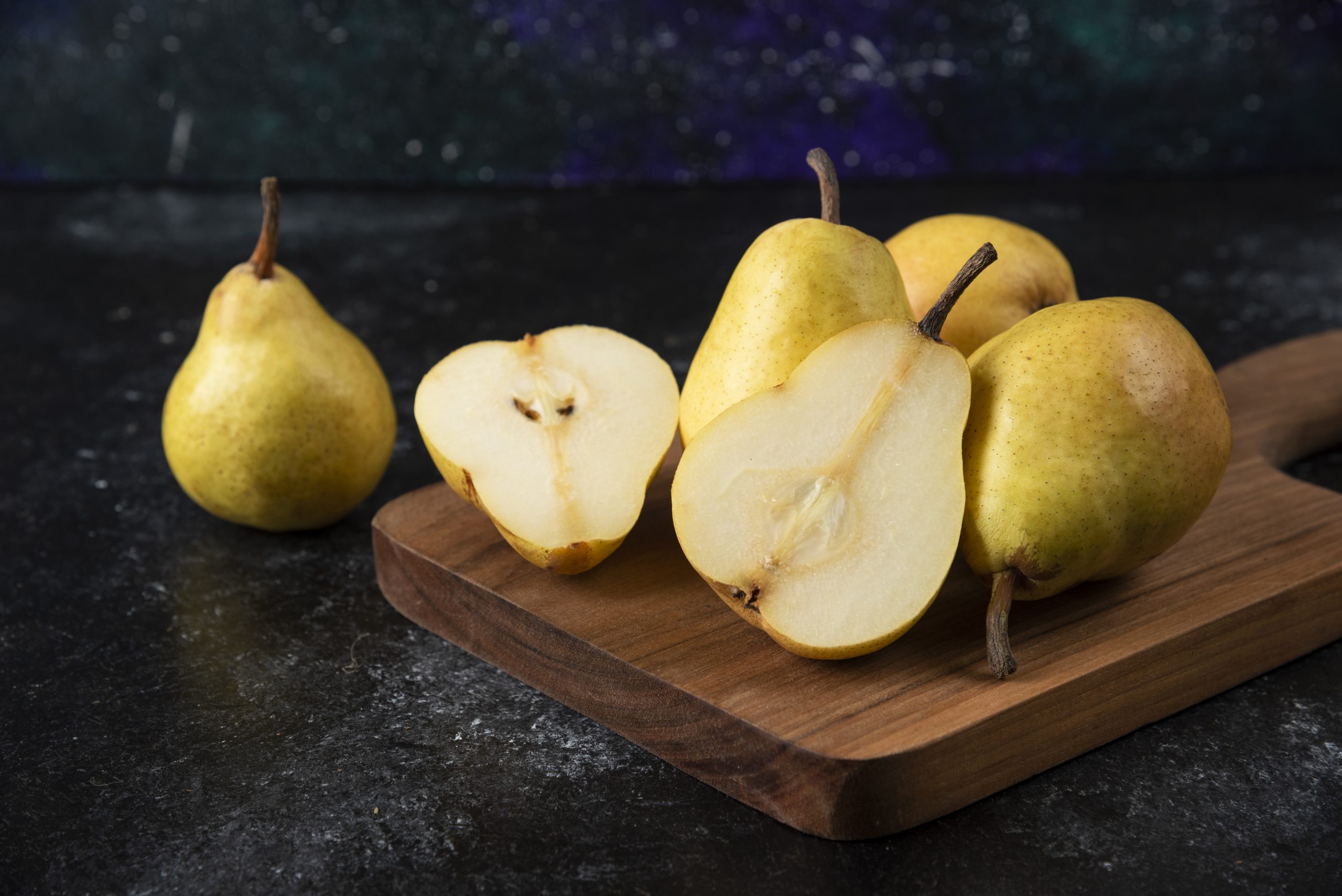
When it comes to choosing the right fruits for a healthy lifestyle, pears often stand quietly in the corner, sweet, soft, and underrated. And that’s when the common question pops up: “Is pear good for diabetes?” With their gentle sweetness, high fibre, and low glycemic index, pears may be a healthier choice than most people realise.
There are many misunderstandings about diabetes and fruit consumption. It is commonly thought that since people with diabetes need to reduce sugar intake, naturally sweet fruits should be avoided.
However, this is not entirely accurate. Fruits are a healthy snack option, providing essential nutrients, including vitamins, antioxidants, and anti-inflammatory compounds.
So, if you are confused about which fruit is right for you, when to eat it, and how much to have, that is exactly where fitterfly steps in, guiding you with personalised plans, expert advice, and easy tips to make your food choices smarter and your sugar levels more stable.


What are Pears?
Pears are sweet, juicy fruits. They have a soft, buttery texture, a mild flavour, and a unique shape that tapers at the top. Pears come in a wide variety. Most commonly found varieties in India are:
- Nashpati: Small to medium-sized with green to light-yellow skin, mildly sweet and very juicy in taste, and commonly available across North India and most local fruit markets.
- Patharnakh: Medium to large with rough green skin and hard flesh, mildly sweet with a gritty texture, and mainly found in Punjab, Haryana, and Uttar Pradesh.
- Baggugosha: Small to medium with yellowish-green skin and soft flesh, noticeably sweeter and very juicy, and commonly available in West Bengal and other parts of eastern India.
Pears are rich in fibre, vitamins, antioxidants, and natural plant compounds, making them a nutritious choice for overall health and well-being.
Pears can be eaten fresh, cooked, or added to salads, desserts, and drinks.
What is the Nutritional Value of Pears?
Pear nutritional value for 100 g, according to IFCT (2017), approximately.
| Nutrient | Amount |
| Energy | 37.5 k cal |
| Carbohydrate | 8.09 g |
| Protein | 0.36 g |
| Fibre | 4.48 g |
| Fat | 0.27 g |
Pears and Diabetes:
Pears are often underrated, but for people with diabetes, they can be a very smart and safe fruit choice. Their biggest strength is their high fibre content, which slows the rate at which sugar enters the bloodstream. This helps prevent sudden spikes in blood glucose and keeps energy levels steady.
Pears also have a low glycaemic index (GI), usually around 30–42. This means they release sugar slowly, making them safer than many other sweet fruits.
Low-GI foods help you feel fuller for longer, and aslo help to maintain more stable blood sugar levels throughout the day.
Another major advantage is the type of fibre pears contain. The soluble fibre in pears, especially pectin, slows digestion and the absorption of sugar. As a result, the rise in blood glucose is much more gradual.
What are the Benefits of Eating Pears for Diabetes:
Beyond their impact on blood sugar control, eating pears offers a range of health benefits that can support overall diabetes management.
Rich in Antioxidants & Anti-Inflammatory Compounds: Pears are a rich source of vitamins C and K and phytochemicals such as flavonoids.
These antioxidants help reduce inflammation, protect cells from damage, and improve overall metabolic health, which is vital for people living with diabetes.
Supports Weight Management: Because pears are high in water and fibre, they keep you full while being low in calories.
Maintaining a healthy weight is an effective way to manage diabetes. Eating a pear as a snack can reduce unnecessary cravings and prevent overeating.
Improves Gut Health: Healthy digestion is closely linked to better glucose control. The fibre in pears supports good gut bacteria, reduces constipation, and may even improve insulin sensitivity over time.
Natural Sweetness Without Added Sugar: Pears offer a gentle, natural sweetness without sharply raising blood sugar, making them a satisfying alternative to sugary snacks.
Pears and Diabetes: Important Considerations Before Adding Them to Your Diet.
While pears offer numerous health benefits, there are a few considerations for people with diabetes.
Portion Size: Although pears are low on the glycemic index, consuming large portions can still affect blood sugar levels. The variety of pear and its ripeness can influence its glycemic index and sugar content.
Variety and Ripeness: Ripe pears have higher sugar content, which may cause a slightly faster rise in blood glucose levels. So, it is best to choose firm pears, as they tend to have a lower glycemic response.
Interaction and Medications: If you are taking diabetes medication or insulin, be mindful that fruits, including pears, may affect your treatment plan. Consuming too many high-carb foods without proper insulin dosing can lead to blood sugar spikes. Always consult your doctor to ensure that peras and other fruits fit within your overall meal plan.
📖 Also Read: Fitterfly: 22 Best Low-Sugar Fruits for Diabetes |
How to Include Pear in a Diabetic-Friendly Diet?
Adding pears to a diabetes-friendly meal plan is simple, tasty, and nourishing. Here are some easy ways to enjoy them:
As a Snack: Enjoy a small pear with a handful of nuts; this combination provides fibre, protein, and healthy fats, helping keep your blood sugar steady.
In Salads: Toss thinly sliced pear with leafy greens and walnuts. It provides natural sweetness, crunch, and numerous nutrients.
Baked Pears: For a warm, comforting treat, bake the pears with a sprinkle of cinnamon. It’s a healthier dessert option.
Takeaway:
Yes. Pears are a good choice for people with diabetes because they have a low glycemic index, are rich in fibre, and help keep blood sugar levels steady when eaten in moderation.
Pears support overall health and provide natural sweetness without causing rapid spikes in blood sugar.
As with any fruit, portion control is important; when consumed in moderation, paired with balanced meals, pears can be a valuable part of a diabetes-friendly diet.
If you are wondering how to incorporate them into your diet based on your personal health needs, consider consulting a dietitian or physician for tailored guidance.
Fitterfly Helps You Enjoy Pears (and Everything You Love) Without Stress.
Managing diabetes can feel overwhelming, especially when you are constantly thinking about what to eat, how much to eat, and how it will affect your blood sugar. At Fitterfly, we make your journey easier and more enjoyable.
If you enjoy healthy fruits like pears but aren’t sure how they fit into your diabetes diet, we’re here to guide you. Our diabetes care programs help you understand exactly how to include pears and other nutritious foods in a way that keeps your sugar levels steady.
You will get personalised support from our team of experts, a Nutrition Coach, Fitness Coach, and Success Coach, who work with you to build a simple, realistic plan. We help you with portion sizes, meal balance, and everyday choices so you can enjoy your favourite foods confidently and safely.
At Fitterfly, we believe diabetes management isn’t about restrictions; it’s about understanding what works best for your body.
Give us a missed call at 08068507599, and we will reach out to support you on your journey.
This blog provides general information for educational and informational purposes only and shouldn't be seen as professional advice.
Frequently Asked Questions
Is pear good for diabetes?
Yes. Pears are high in fibre and also have a low glycemic index, which helps control blood sugar levels.
Does pear lower blood sugar?
Pears don’t usually cause a sugar spike. Their low GI helps keep blood sugar steady.
Can a person with diabetes eat pears?
Yes. Pears are lower in sugar than many fruits and are safe for people with diabetes when eaten in moderation.
How do pears affect blood sugar?
Pears have a GI of 30-42, depending on ripeness, which is considered low. Their high fibre slows digestion, leading to a gradual rise in blood sugar.
How do pears help with sugar control and weight?
Their low GI and high fibre content keep you full for longer, prevent sudden spikes in blood sugar, and reduce frequent hunger, supporting weight management.
Are pears low-glycemic?
Yes. Pears have a GI of around 30-42, which means they raise blood sugar slowly and steadily.
Are pears good for overall health?
Yes. Pears contain fibre, antioxidants, vitamins C and K, and minerals like potassium and copper. They support digestion, immunity, and long-term health.
Do pears raise blood sugar?
No, pears help maintain stable blood sugar levels due to their fibre and low GI.
Are pears bad for diabetes?
No. When consumed in moderation, pears are beneficial for people with diabetes.