

Is Coconut Good for Diabetes? GI & Portion Guide.



Each article on the fitterfly website is a labor of love, reviewed by a team of certified medical experts specializing in various fields like Diabetology, Nutrition, Physiotherapy, Psychology.
They carefully examine all references and facts to provide up-to-date and reliable information, aiming to break myths and empower you in your health journey.
Meet Our Reviewing Team


Shilpa Joshi
Shilpa Joshi is one of India’s leading dietitian and diabetes educator. At her clinic, she uses principles of Medical Nutrition Therapy (MNT) for preventive and therapeutic care of various health issues.
Read more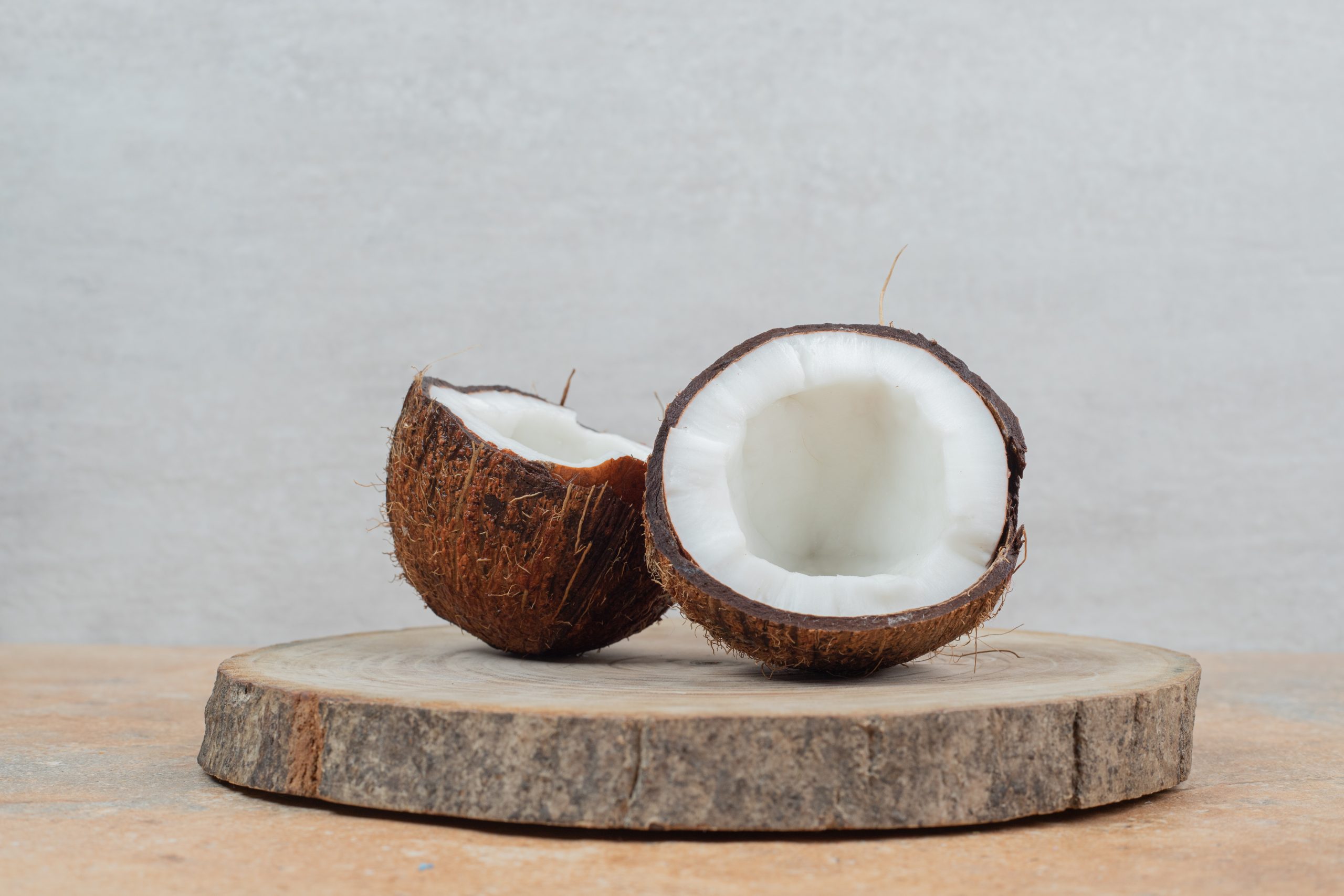
Coconut is a common ingredient in many Indian kitchens, whether in curries, chutneys, or desserts. While it is enjoyed for its taste and availability, for people with diabetes, people with diabetes often feel confused about including coconut in their diet. Given concerns about fat content and blood sugar levels, a common question arises: Is coconut good for diabetes, or should it be avoided?
Knowing how eating coconut affects blood sugar levels, its glycemic index, and the correct portion sizes can help you make healthy food choices without too many restrictions.
Glycemic Index of Coconut:
The glycemic index (GI) of coconut is 35, which is generally low, making it suitable for people managing blood sugar.
Foods with a GI below 55 are considered low-GI, meaning they don’t spike blood sugar rapidly. However, GI alone is not enough. Portion size matters, mainly because coconut is high in fat and calories.
Nutritional Breakdown of Coconut:
Nutritional value of the fresh coconut kernel (100 g), approximately based on data from IFCT 2017.
| Nutrient | Amount |
| Energy | 409 k cal |
| Carbohydrate | 10 g |
| Protein | 4 g |
| Fat | 41 g |
| Fibre | 9 g |
Coconut and Diabetes: Can You Include It in Your Diet?
Coconut is a tropical favourite, loved for its taste and versatility. But if you have diabetes, you might wonder whether it’s safe to include it in your diet.
Yes, coconut can be included in a diabetes-friendly diet, but only in moderation. Fresh coconut kernel is high in fat and energy, low in sugar, and contains a good amount of fibre.
This unique combination helps slow digestion and reduce sudden blood sugar spikes, making coconut suitable for people with diabetes when eaten mindfully.
However, because it is calorie-dense, over consumption can lead to excess calories and weight gain; therefore, portion control is essential.
How Coconut Helps People with Diabetes?
Coconut provides several benefits for blood sugar management:
- Low Glycemic Index (GI): Fresh coconut releases sugar slowly, helping prevent sudden blood sugar spikes.
- Healthy Fats: Medium-chain triglycerides (MCTs) in coconut help to slow down glucose absorption and can support energy metabolism.
- Fibre Content: Coconut fibre helps regulate postprandial blood glucose levels.
- Keeps You Full: Eating coconut can help you feel full, reducing overeating and unnecessary snacking.
Things to Watch Out For:
Despite its benefits, coconut is high in fat and calories, which means:
- Overeating can contribute to weight gain.
- Excess consumption may affect cholesterol levels in some individuals.
- Keep your portions in check to enjoy the benefits safely.
Diabetes-Friendly Coconut Eating Tips:
- Monitor your blood sugar after eating coconut to see how your body reacts.
- Stick to small portions and include them as part of a balanced diet.
- Pair coconut with protein- or fibre-rich foods for improved blood glucose control.
- Avoid sweets made with coconut, dry coconut in large amounts, or any sugar-added coconut recipes, as they can spike your blood sugar.
Final Verdict:
Coconut can be a diabetes-friendly food when eaten in moderation. With careful portion control and mindful consumption, it can be enjoyed safely while offering health benefits.
How Fitterfly Can Help You?
Coconut is commonly used in Indian cooking and, when consumed in appropriate portions, can fit into a diabetes-friendly diet.
The real challenge isn’t the coconut itself, but its portion and what you eat with it. Because coconut is tasty, it is easy to eat more than required, which may affect blood sugar levels and weight.
Many of us grow up believing certain foods are always healthy, but without proper guidance, even these foods can slow down blood sugar control. That is where the Fitterly Diabetes Program makes a difference.
Our Nutrition Coaches help you understand how much coconut you can safely eat, the best form to choose, and how to combine it with the right foods to avoid sugar spikes.
Fitness Coaches design simple, effective exercises to improve insulin sensitivity. Our Success Coaches support you with sleep and stress management, both of which are very important for managing diabetes but are often overlooked.
If you want to manage diabetes the right way, without giving up your favourite foods, Fitterfly is here to help.
📞Call 08068507599 and let us create a plan that truly works for you.
This blog provides general information for educational and informational purposes only and shouldn't be seen as professional advice.
Frequently Asked Questions
Is coconut good for people with diabetes?
Yes, coconut is good for people with diabetes when eaten in moderation. Fresh coconut has a low glycaemic index and does not cause sudden blood sugar spikes if portion size is controlled.
Does coconut increase blood sugar levels?
Fresh coconut does not significantly raise blood sugar levels because it is low in carbohydrates and rich in healthy fats. However, overeating or consuming coconut products with added sugar can raise blood sugar levels.
Can people with diabetes drink coconut water?
People with diabetes or prediabetes should limit coconut water, as it may raise blood sugar quickly. If your blood sugar is well controlled, you can talk to your doctor or nutritionist about having coconut water occasionally, but without the coconut meat (malai).
Is dry coconut good for diabetes?
Dry or desiccated coconut should be limited, as it is more energy-dense and easier to overconsume than fresh coconut.
Should coconut sweets be avoided in diabetes?
Yes. Coconut sweets, laddoos, and sugar-added recipes should be avoided as they can cause a rise in blood sugar levels.
What is the best way to eat coconut for blood sugar control?
Pair coconut with protein or fibre-rich foods, eat it in small portions, and monitor post-meal blood sugar to understand your body’s response.