

Is Broccoli Good for Diabetes?



Each article on the fitterfly website is a labor of love, reviewed by a team of certified medical experts specializing in various fields like Diabetology, Nutrition, Physiotherapy, Psychology.
They carefully examine all references and facts to provide up-to-date and reliable information, aiming to break myths and empower you in your health journey.
Meet Our Reviewing Team


Shilpa Joshi
Shilpa Joshi is one of India’s leading dietitian and diabetes educator. At her clinic, she uses principles of Medical Nutrition Therapy (MNT) for preventive and therapeutic care of various health issues.
Read more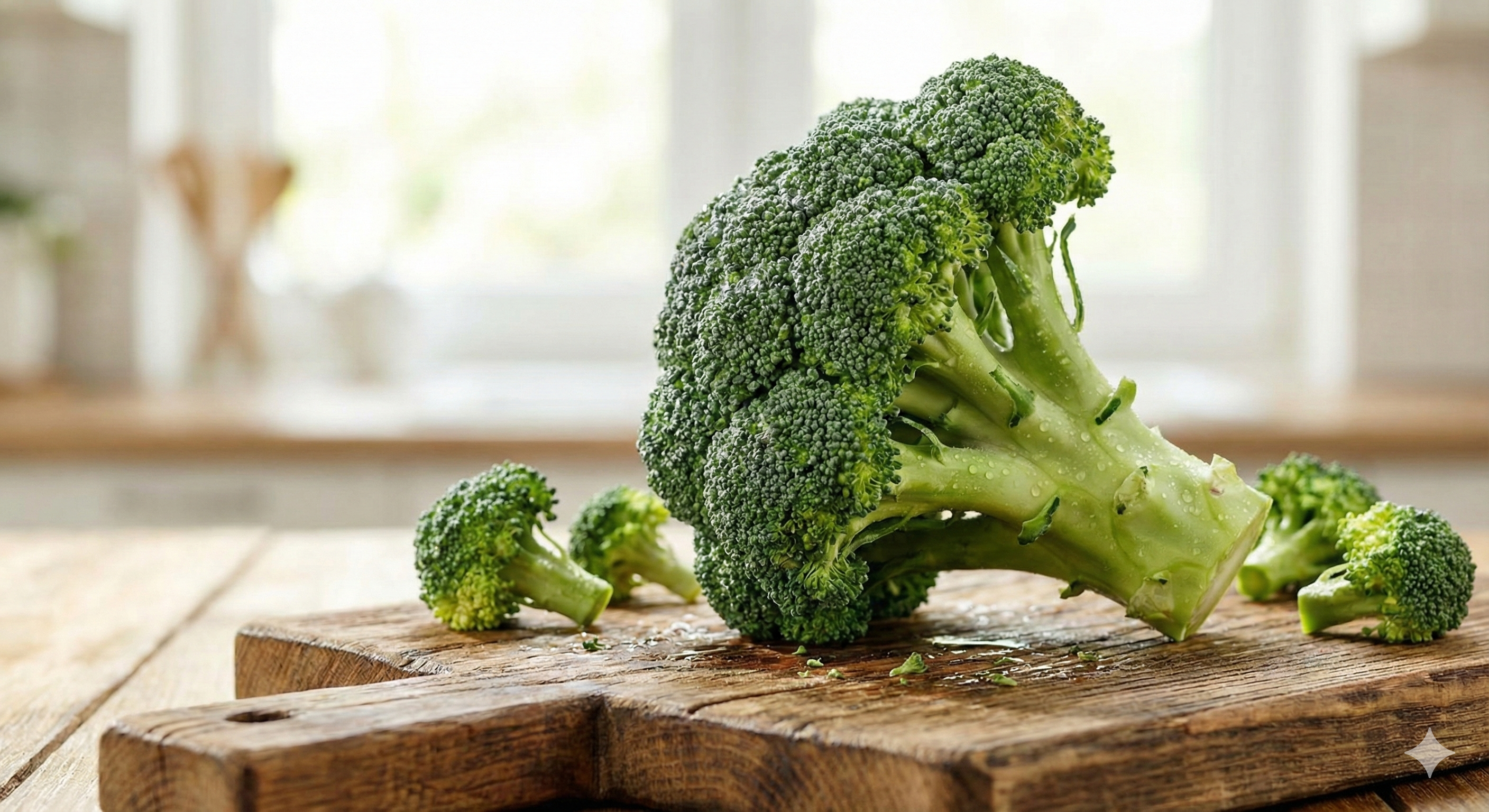
When it comes to choosing vegetables for blood sugar control, broccoli often raises an important question among health-conscious eaters: “Is broccoli good for diabetes?” Let us understand how broccoli plays a role in diabetes management.
Broccoli is a green, cruciferous vegetable from the cabbage family, recognised by its thick stalk and tightly packed flower buds. Despite its strong nutritional profile, broccoli was never part of our childhood.
Most Indian kitchens rely on familiar vegetables such as cauliflower, cabbage, bhindi, lauki, and leafy vegetables, but broccoli is hardly known. Often regarded as a close cousin of cauliflower, it entered Indian households only recently.
Today, broccoli is easily available everywhere, from local sabji mandis and thela wallas to supermarket shelves. Yet, even with its growing popularity, it does not quite feel “Indian.”
There are very few traditional desi gravies or sabzis made with broccoli, unlike cauliflower, which blends effortlessly into our everyday curries and stir-fries.
What Is the Glycemic Index of Broccoli?
The Glycemic Index of broccoli is very low, ranging from 10 to 15. Broccoli is considered very low GI and causes only a small rise in blood glucose.
Because it does not cause sharp spikes in blood glucose, broccoli is a highly suitable food choice for people with diabetes.
What Is the Nutritional Profile of Broccoli?
The nutritional breakdown of broccoli per 100 g is approximately based on Fitterfly’s proprietary tool Ntuitive(data based on IFCT 2017)*
| Nutrient | Amount |
| Energy | 34 k cal |
| Carbohydrate | 6.64 g |
| Protein | 2.82 g |
| Fat | 0.37 g |
| Fibre | 2.6 g |
Broccoli is a low-calorie vegetable that provides fibre, protein, vitamins C and K, folate, potassium, and powerful antioxidants like sulforaphane.
It contains fibre and antioxidants that help improve blood glucose control and reduce inflammation, making it suitable for a diabetes-friendly diet.
Broccoli and Diabetes:
- Very low glycemic index, causing minimal rise in blood sugar levels.
- Fibre content helps slow glucose absorption and improve post-meal sugar control.
- Supports insulin sensitivity through antioxidants such as sulforaphane.
- Aids weight management as it is low in calories and filling.
- Heart-friendly vegetable, helping manage cholesterol and blood pressure.
- Its anti-inflammatory properties may help reduce complications associated with diabetes.
- Versatile and easy to include in daily diabetes-friendly meals.
What Are the Diabetes-Friendly Broccoli Recipes?
- Stir-Fried Broccoli with Garlic: Lightly sauté broccoli in olive oil with garlic, pepper, and a pinch of salt.
Protein pair: Grilled chicken, tofu, paneer, or a bowl of dal. - Steamed Broccoli Salad: Steam broccoli lightly and toss with lemon juice, olive oil, seeds (flax or pumpkin), and coriander.
Protein pair: Boiled eggs, chickpeas, kidney beans, or paneer cubes. - Broccoli & Paneer Toss: Sauté broccoli with grilled paneer and season with turmeric, pepper, and cumin.
- Broccoli Soup: Boil broccoli with onion and garlic, blend until smooth, and finish with pepper without cream.
Protein Pair: Add lentils, tofu cubes, or shredded chicken. - Broccoli Omelette: A nutritious, protein-rich dish made with fresh broccoli, which can be good for a healthy breakfast.

| Tip: Pairing broccoli with protein helps to slow glucose absorption, keeps you full and maintains better blood sugar levels. |
Who Should Be Mindful When Eating Broccoli?
Individuals with thyroid disorders or digestive sensitivity may experience bloating when consuming large amounts of broccoli. Cooking broccoli well and consuming it in moderation helps avoid discomfort.
📖Also Read: Fitterfly – Top 14 Low-Calorie Vegetables for Effective Weight Loss. |
Final Thought:
Broccoli is a safe, nutritious, and smart choice for people with diabetes when eaten in proper portions and prepared healthily. Including it regularly can support better blood sugar control and overall health.
How Fitterfly Can Help You?
Diabetes management isn’t about one healthy food; it’s about building healthy habits every day, and that is where Fitterfly helps.


Personalised Nutrition: Get meal plans tailored to your blood sugar levels, food preferences, and daily routine, making low-GI choices practical and straightforward.
Expert Diabetes Care: Certified nutritionists, diabetes educators, and health coaches guide you on what to eat, when to eat and how much to eat.
Smart Tracking: Monitor blood glucose levels, meals, physical activity, sleep, and weight to assess how everyday habits affect blood glucose.
Lifestyle Coaching: Fitterfly focuses on movement, stress, and sleep to improve insulin sensitivity and long-term control.
Sustainable Results: No extreme diets, just easy habits for better blood sugar, weight, and heart health.
Call us at 08068507599 and let us create a plan that truly works for you.
Fitterfly helps you to turn healthy choices into lasting diabetes-friendly habits.
This blog provides general information for educational and informational purposes only and shouldn't be seen as professional advice.
Frequently Asked Questions
Is broccoli good for a person with diabetes?
Yes, broccoli is beneficial for patients with diabetes because it has a very low glycemic index and helps prevent sudden blood sugar spikes.
Does broccoli increase blood sugar levels?
No, broccoli does not significantly increase blood glucose levels because of its low carbohydrate and high fibre content.
What is the best way to eat broccoli for diabetes control?
Steaming, stir-frying with minimal oil, or adding broccoli to soups and salads are the most effective ways to consume broccoli for diabetes management.
Can broccoli help with weight loss in diabetes?
Yes, broccoli is low in calories and high in fibre, which helps with weight management and satiety in people with diabetes.