


Can People with Diabetes Eat Prawns?



Each article on the fitterfly website is a labor of love, reviewed by a team of certified medical experts specializing in various fields like Diabetology, Nutrition, Physiotherapy, Psychology.
They carefully examine all references and facts to provide up-to-date and reliable information, aiming to break myths and empower you in your health journey.
Meet Our Reviewing Team


Shilpa Joshi
Shilpa Joshi is one of India’s leading dietitian and diabetes educator. At her clinic, she uses principles of Medical Nutrition Therapy (MNT) for preventive and therapeutic care of various health issues.
Read more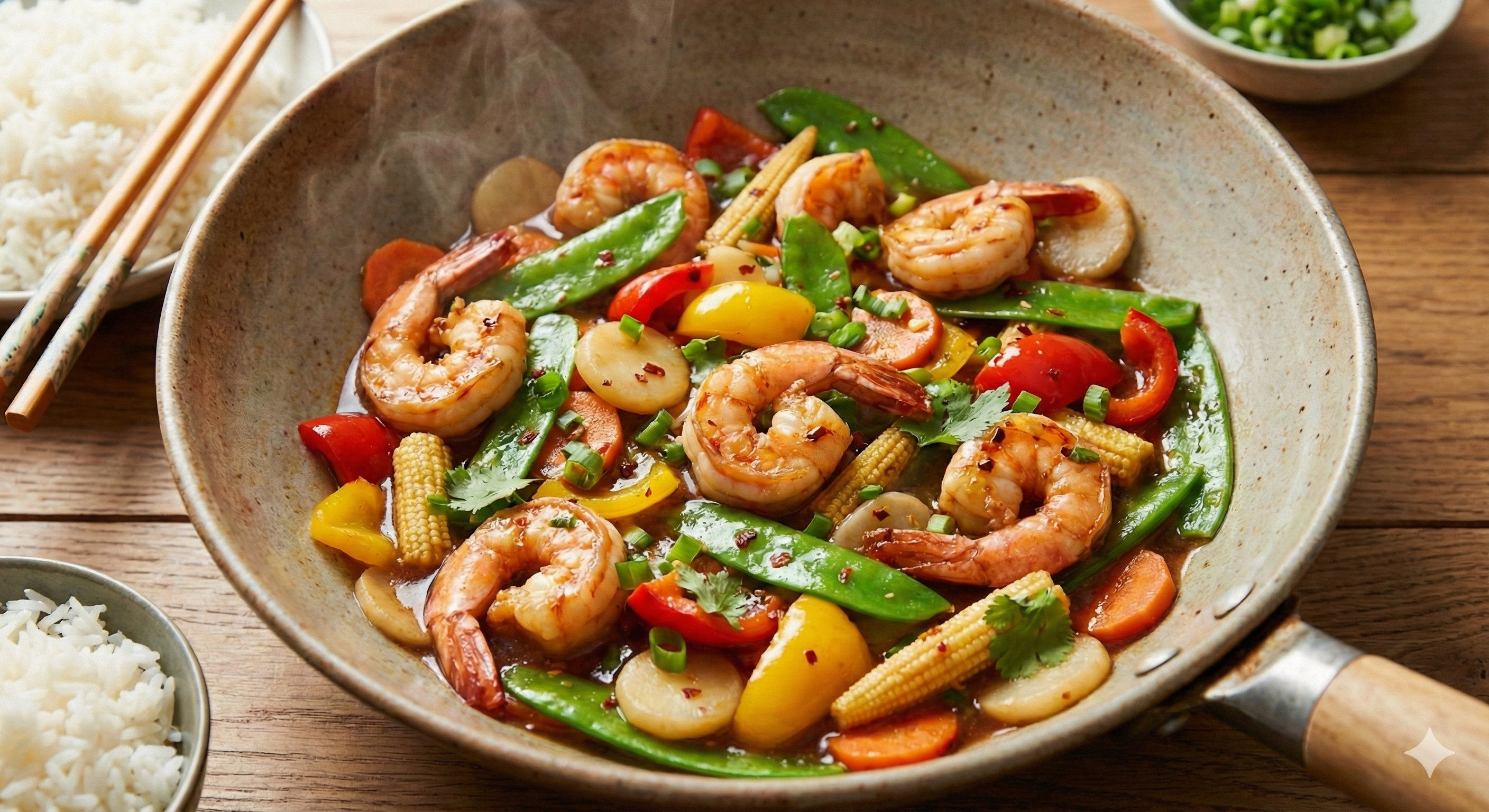
It is the weekend, everyone has gathered, and lunch is being served. A bowl of spicy prawn curry sits on the table. As you are about to take your first bite, a familiar thought stops you: “Can people with diabetes eat prawns?”
Seafood is often considered healthy, yet prawns are surrounded by mixed opinions and concerns about their high cholesterol and sugar content, as well as dietary restrictions. Let’s clear the confusion and understand the truth.
What Is the Glycemic Index of Prawns?
Let us get straight to the point.
The glycemic index (GI) of prawns is ZERO.
The glycemic index tells us how fast a food raises blood sugar.
- Foods like sugar, white rice, and bread raise sugar quickly → high GI.
- Foods that digest slowly → low GI
- Foods with no carbohydrates → GI = 0
Prawns are mainly made up of protein and water, with almost no carbohydrates. Since they contain very little to convert into glucose, they do not cause a spike in blood sugar levels.
Does “Zero GI” mean you can eat unlimited prawns?
Not exactly. Prawns are safe on their own, which makes a big difference. When prawns are eaten with rice, bread, or refined flour, this can cause blood sugar spikes because these foods are high in fast-digesting carbohydrates, which is important for readers to understand for safe meal planning.
On the other hand, pairing prawns with vegetables, leafy greens, salads, and stir-fried veggies helps keep blood sugar more stable.
Adding healthy fats like olive oil or eating prawns with dal, sprouts, or a small portion of millets can also slow digestion and prevent sugar spikes.
The key is simple: Prawns are safe, but combining them with vegetables and healthy fats empowers you to make balanced, blood sugar-friendly choices.
Tip: If you eat boiled or grilled prawns alone, your blood sugar levels usually stay almost unchanged.
Nutritional Value of Prawns:
Prawns provide high-quality protein with very few calories, and the nutritional value of prawns per 100g, approximately, based on IFCT 2017.
| Nutrient | Amount |
| Energy | 90 k cal |
| Fat | 0.52 g |
| Protein | 19.24 g |
| Dietary Cholestrol | 139 mg |
Prawns are very low in saturated fat, which makes them a heart-healthy protein choice when appropriately cooked. While prawns do contain dietary cholesterol, some studies show that cholesterol from prawns does not significantly increase serum cholesterol levels in most people.
So, when eaten in moderation as part of a balanced diet, prawns can be enjoyed without harming heart health.
Easy Diabetes-Friendly Prawn Recipes:
Stir-Fried Prawns with Vegetables:
Heat a small amount of olive oil or mustard oil in a pan, then lightly sauté chopped garlic and onions until golden brown.
Add cleaned prawns along with vegetables like capsicum, beans, or broccoli.
Stir-fry on medium heat until the prawns turn pink and are just cooked through.
This dish is low in carbohydrates, high in protein, and very filling, making it ideal for people with diabetes.
Simple Prawn Curry:
Prepare a basic curry with an onion-tomato base, ginger, garlic, turmeric, and everyday Indian spices.
Add the prawns and cook until tender, and do not add any cream.
Simple prawn curry goes well with vegetables or a small portion of brown rice, keeping the meal balanced and blood sugar-friendly.
Grilled Masala Prawns:
Marinate prawns with turmeric, chilli powder, lemon juice, pepper, and a pinch of salt.
Grill or pan-roast the prawns with minimal oil until lightly crisp on the outside and juicy inside.
This is a zero-carb, protein-rich option and works perfectly as a light dinner for people with diabetes.
| Also Read: Fitterfly- Is chicken good for diabetes? |
Who Should Avoid Eating Prawns?
Eating prawns is generally safe for most people, but some possible side effects include:
- Allergic reactions in people with seafood allergies include itching, rashes, swelling, or breathing trouble.
- While prawns contain dietary cholesterol, eating them in moderation-such as a small portion a few times a week, can help manage cholesterol levels and reduce health risks, which is vital for informed dietary choices.
- Digestive issues such as bloating or stomach discomfort, especially if the prawns are not fresh or over-consumed.
- High sodium intake from fried, sauced and salted prawns can cause health risks, so choose cooking methods like grilling or steaming, and limit added salt to keep meals heart-healthy and safe for people with diabetes.
- There is a risk of food poisoning if prawns are under cooked or improperly stored.
Key Takeaways:
- Prawns have a glycemic index of zero and therefore do not lead to an increase in blood sugar levels.
- They are high in protein and low in calories.
- Cholesterol in prawns is not harmful when eaten in moderation.
- Cooking method matters more than the prawn itself.
- Pair prawns with vegetables, not refined carbohydrates.
How Can We at Fitterfly Help You?
At Fitterfly, we believe diabetes management is not about strict food bans; it is about smart, personalised choices. Foods like prawns often create confusion because of myths around cholesterol and blood sugar.
Our experts help you understand how and how much you can enjoy such foods safely, based on your body, lifestyle, and health goals.
With personalised nutrition plans, we guide you on including protein-rich options like prawns in the proper portions and combinations, paired with vegetables, healthy fats, and balanced carbs, to keep your blood sugar stable.
Through continuous blood sugar monitoring, you can clearly see how your meals affect your glucose levels, removing guesswork and fear.
Our medical and nutrition experts are always there to help you choose the proper cooking methods, frequency, and meal timing.
Because managing diabetes shouldn’t mean giving up the foods you love, like a comforting prawn curry enjoyed the right way, at Fitterfly, we help you eat confidently, live freely, and stay in control of your health.
Call us at 08068507599 to know more and take the first step towards a healthier life.
This blog provides general information for educational and informational purposes only and shouldn't be seen as professional advice.
Frequently Asked Questions
Can a person with diabetes eat prawns?
Prawns are good for people with diabetes because they are high in protein, have zero carbohydrates, and do not raise blood sugar levels. However, they should be eaten in moderation and should be prepared using healthy cooking methods, such as grilling or steaming.
Do prawns increase blood sugar?
Prawns by themselves do not raise blood sugar because they contain no carbohydrates. However, the side dishes served with prawns, such as white rice, bread, fried batter, or sugary sauces, can raise blood sugar levels.
Is prawn curry better than fried prawns?
Yes. Home-cooked prawn curry is far better than fried prawns.
Are prawns better than chicken for diabetes?
Both prawns and chicken are good protein options for people with diabetes and can fit into a balanced diet. Prawns are naturally low in fat and calories, which makes them helpful for weight control and blood sugar management.
What is the healthiest way to eat prawns for diabetes?
The healthiest ways are boiling, steaming, grilling, or sauteing with minimal oil and spices.
Are prawns good for weight loss in diabetes?
Yes, prawns are low in calories and high in protein, which helps keep you full and supports weight management in people with diabetes.